Practical, plain-English compliance support for organisations trading across borders

• China expands export controls on emerging technologies • UK plans tougher sanctions enforcement penalties • Russia sanctions evasion risks remain under scrutiny • Export compliance failures continue to attract enforcement • Due diligence expectations rise across global supply chains
Compliance Newsfeed
Regulatory Updates
Last Updated: 23/10/2026
Sanctions

UK and international authorities continue to strengthen sanctions enforcement, with increased focus on Russia-related restrictions, sanctions circumvention networks, shadow fleet activities, and corporate compliance controls. Exporters should ensure screening, due diligence, and transaction monitoring procedures remain effective and up to date.
Export Control
.jpg)
Export control authorities continue to tighten restrictions on advanced technologies, particularly semiconductors, AI-related products, and sensitive manufacturing equipment. Exporters should review product classifications, licensing requirements, technology transfers, and supply chain exposure to ensure compliance with evolving global controls.
Operational Insight
.jpg)
Regulators are increasingly focusing on the effectiveness of compliance programmes, supply chain visibility, and audit readiness. Organisations are expected to demonstrate that controls work in practice, not just on paper


Why Ceterus Consultants?
A consultancy built on years of defence‑grade compliance experience combining technical precision with human insight
-
Founded by RAF veteran Jeff Gunn — 37+ years in compliance, risk, and export controls. PCQI, MIExCP‑qualified specialist
-
Trusted by defence manufacturers, aerospace suppliers, chambers of commerce, and logistics networks..
-
Specialists in ITAR, EAR, and sanctions interpretation.
-
Known for regulator‑defensible clarity and practical decision support.

Trusted by Industry Leaders
Clarity and compliance confidence for aerospace, defence, manufacturing, and global supply chains


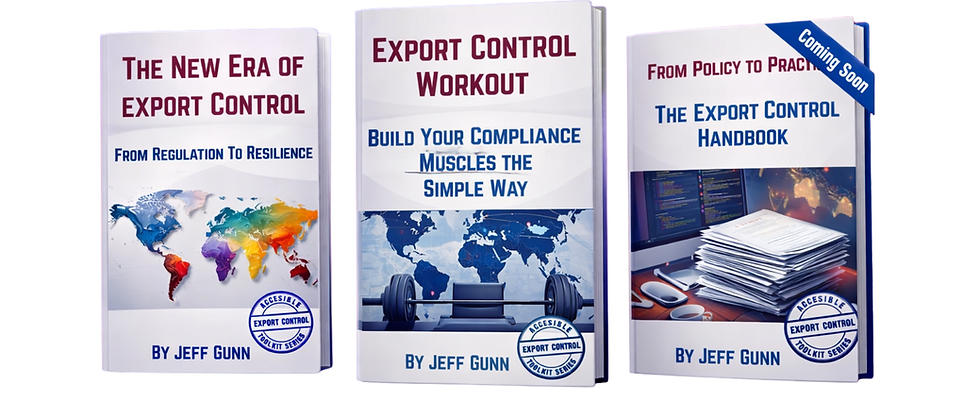
Explore the Export Control Toolkit:
Practical guides for self‑learning
.png)
Coming Soon
Advanced Practitioner Library
A subscription‑only area is being introduced, providing access to restricted guidance, tools, and practitioner‑ready resources designed to support your compliance work.
Training & Certification Courses
Structured training and certification courses are being developed to help practitioners build practical, regulator‑aligned competence across key compliance areas.